

So, you're looking to drive for Lyft but don't have a car? Don't worry, it's more achievable than you might think! This guide explores various options to get you behind the wheel and earning, covering everything from rental programs to alternative strategies for maximizing your income with side gigs. Let's dive in!
Rental Programs: Your Gateway to Driving
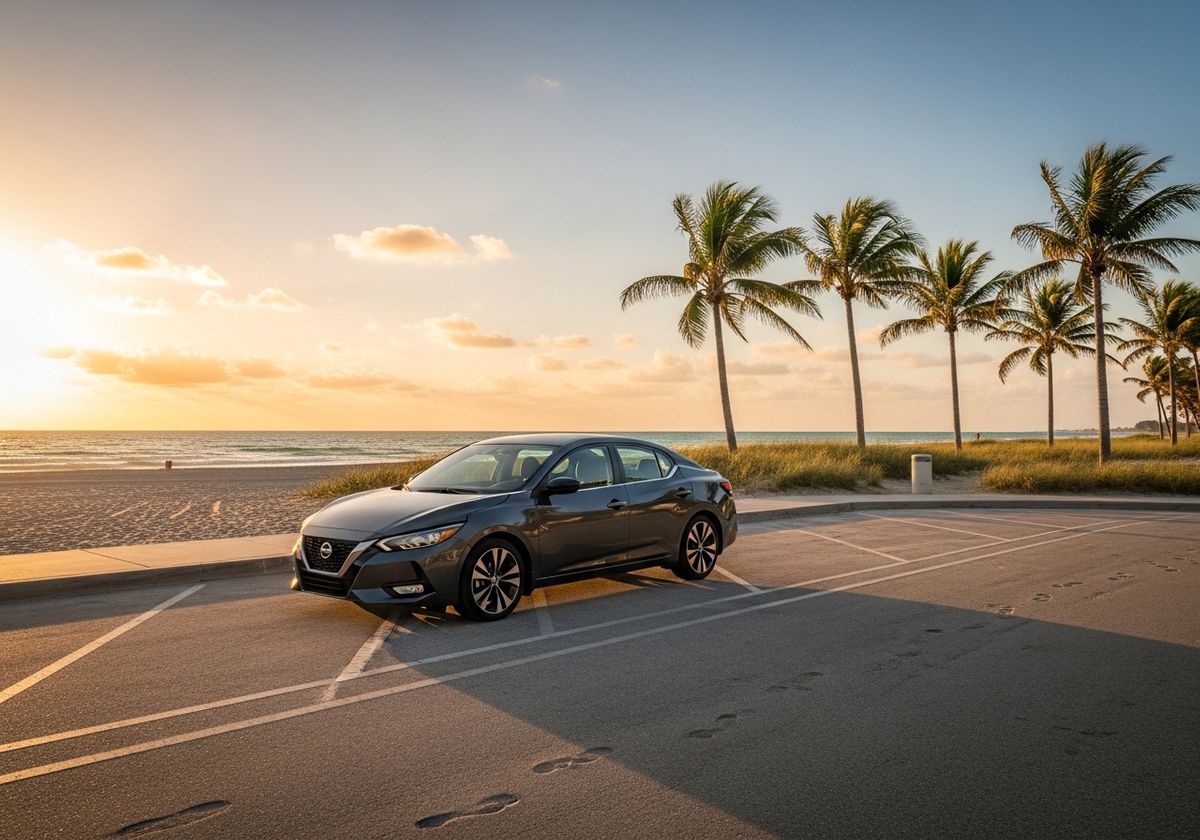
Several rental programs cater specifically to rideshare drivers. These programs allow you to rent a car on a weekly or monthly basis, often including insurance and maintenance. This can be a great option if you don't want the long-term commitment of buying a car or if your current vehicle doesn't meet Lyft's requirements. Keep in mind that rental agreements can vary significantly, so be sure to compare the total cost (including rental fees, insurance, and mileage restrictions) with your potential earnings.

Weighing the Pros and Cons of Rental Cars
Before jumping into a rental agreement, carefully consider the advantages and disadvantages.
Pros:
No long-term commitment of car ownership
Maintenance and insurance are usually included
Access to newer, fuel-efficient vehicles
Opportunity to test out rideshare driving before buying a car
Cons:
Weekly rental fees can eat into your profits
Mileage restrictions may apply
Limited flexibility compared to owning your own car
Potentially higher overall cost than owning a car in the long run

Beyond Rideshare: Diversifying Your Income
While driving for Lyft is a popular option, remember that the gig economy offers numerous avenues for earning income. Consider exploring other side gigs to make money and supplement your income such as DoorDash without a car. By diversifying, you reduce your reliance on a single platform and can optimize your earnings based on demand and your availability.
Starting an Uber Career Without a Car
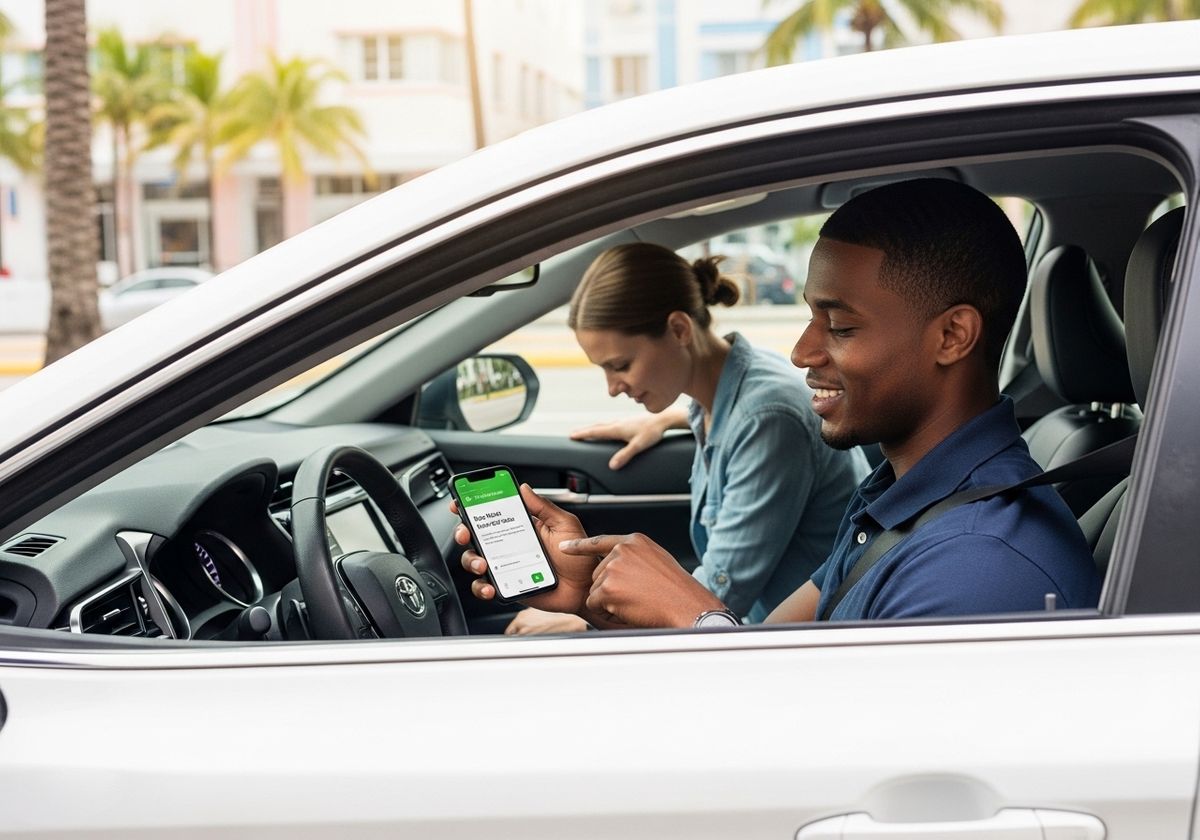
Similar to Lyft, Uber also offers opportunities for drivers who don't own a vehicle. Many of the same rental programs and alternative strategies apply. Researching both platforms and comparing their rates, demand, and driver incentives can help you make an informed decision about which platform to prioritize or whether to drive for both simultaneously.
Alternative Options for Car Access
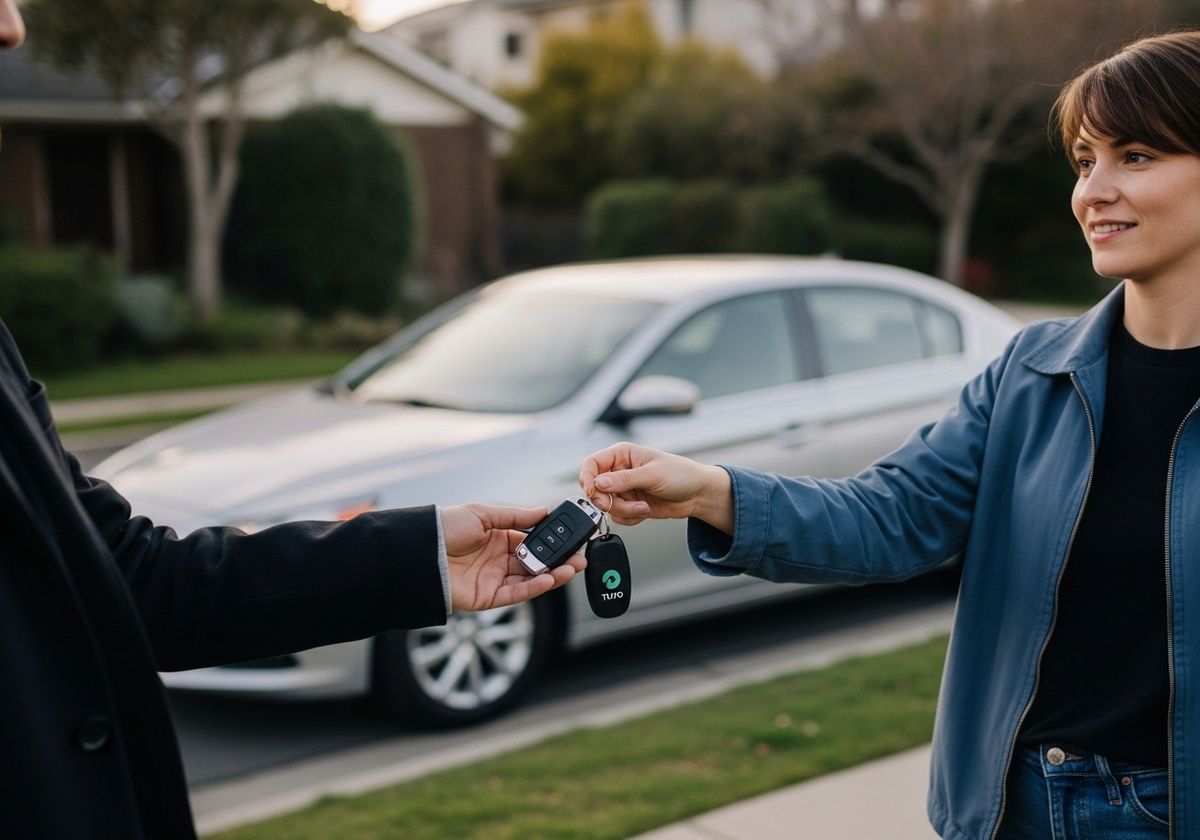
Peer-to-peer car sharing: Explore platforms like Turo, where you can rent cars from private owners. Be sure to check if the rental agreement allows for rideshare driving.
Borrowing a car: If you have a friend or family member willing to lend you their car, this can be a cost-effective option. However, ensure that you have proper insurance coverage for rideshare driving.
Driving for Lyft without a car is entirely possible with the rise of rental programs and diverse income opportunities. By carefully evaluating your options, considering the pros and cons of rental cars, and exploring alternative strategies like diversifying with other side gigs, you can create a sustainable and profitable rideshare career. At Drive 2 Earn, we understand the importance of accessible transportation solutions. Contact us today to learn more about how we are innovating within the industry and providing value to drivers.